
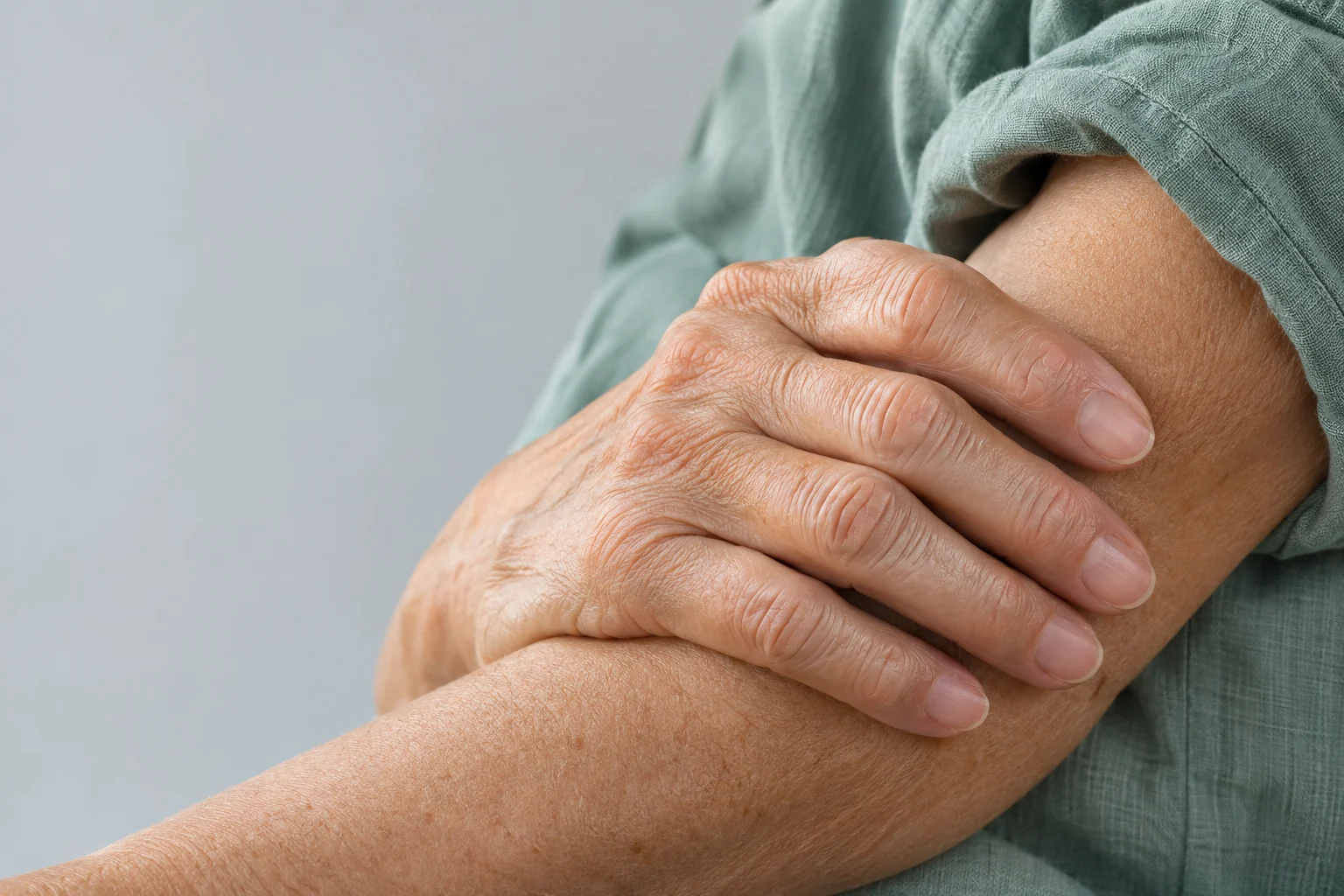
The dryness may feel familiar.
The care needs can differ.
Dry skin can feel rough, tight or itchy. Weather, washing habits, age and health conditions can all play a part.2
| Consideration | Dry skin | When you have diabetes |
|---|---|---|
| Moisture | Skin loses moisture and may become flaky or cracked.2 | Diabetes can contribute to very dry skin, including through changes to small blood vessels and nerves.1 |
| Sensation | Dryness can be uncomfortable. It does not, by itself, explain a loss of feeling. | Nerve damage can reduce feeling, especially in the feet. An injury may not hurt or be noticed straight away.4 |
| Healing | Cracks or broken skin need attention, whatever their cause. | Poor circulation can make it harder for an injury to heal. A sore or wound needs professional attention.4 |
| Care | Gentle cleansing and moisturising can help manage dryness.2 | Alongside skin care, check for changes and follow the foot-care plan agreed with your healthcare team.4 |
Make skin care part of your day.
Wash gently
Use warm rather than hot water and a gentle cleanser. Dry carefully, including skin folds and between your toes.3
Moisturise dry skin
Moisturise regularly. Ask your pharmacist which product suits your skin and follow its directions. Avoid applying moisturiser between your toes.34
Look as well as feel
Check your feet daily for cuts, blisters, swelling or colour changes.4
Supporting someone else? Ask what help they would welcome, whether that’s checking an area they cannot see or writing down a question.
When to seek medical advice
Contact your doctor promptly about a new sore, blister or broken skin on your foot, even if it does not hurt.4
Seek urgent medical care for signs of infection, such as swelling, discolouration, tenderness or leaking fluid, or a wound that worsens or is not healing.3
For persistent dryness or changes in sensation, speak with your doctor, podiatrist or diabetes care team. Product advice from a pharmacist does not replace assessment of a wound.
Where skin-care products fit
Skin-care products have different intended uses. They don’t replace diabetes management, regular foot checks or care from your healthcare team.
The Zonofade range includes daily conditioning, care for healthy skin around open wounds, and care for healthy skin around healed wounds. These are distinct uses, not a three-step routine.
Compare the Zonofade productsKeep a copy for your next appointment.
A short summary and questions to discuss with your healthcare team. No email required.
Common questions
Does dry skin mean I have diabetes?
No. Dry skin has many possible causes. If you are concerned about diabetes, talk to your doctor about assessment and testing.2
Does everyone with diabetes develop skin problems?
No. Skin concerns and care needs vary. Your healthcare team can help you understand your own risks and what to check.
What should I ask my pharmacist?
Explain where your skin feels dry, how long it has bothered you and what you already use. Ask which product is suitable, where to apply it and when to seek medical advice.
Further reading
For advice about changes in your own skin, speak with your healthcare team.
- Diabetes Australia: Healthy skin and diabetes
- American Academy of Dermatology: Dry skin overview
- American Academy of Dermatology: Skin care for people with diabetes
- American Diabetes Association: Foot complications
These sources inform the general education above. They do not endorse Zonofade.